The Atlas·NZ

NZ

Museum of New Zealand Te Papa Tongarewa, Wellington — 19 works · museum site ↗ · 1250–1997 60000 BCE2020

Seen from Wellington, history is above all craft & design, then the world observed — a collection opened wide onto other worlds — a window more than a mirror (19 of 19 works are from other civilisations).

Craft 8 Observation 4 Architecture 2 Portraits 2 Ritual 1 Power 1 Sculpture 1
Perforated moa egg
N° 512·III · Faith and Empire
Perforated moa egg
Unknown
1250–1500 · moa eggshell
Māori

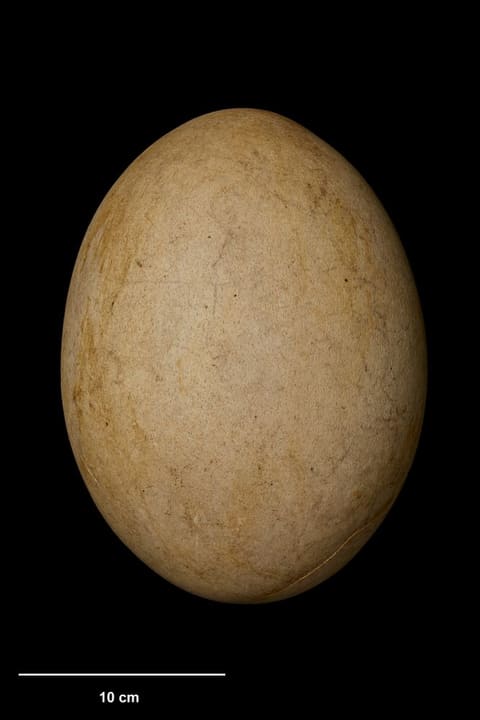
A perforated moa egg from Kaikōura, catalogued by Te Papa as dating to 1250–1500 and classified among containers and grave goods. The eggshell is one of the museum's natural-history treasures and a rare survival from the era when moa still lived in Aotearoa New Zealand. (The object's page carries catalogue metadata rather than a descriptive essay.)

“Unknown; 1250-1500; Kaikōura” In the museum’s words — collections.tepapa.govt.nz ↗ · quotation verified against the live page

Meanwhile — Bronze Shiva (Sukhothai) South Asia · Sukhothai art, early 20th Buddhist century (c. mid-14th century CE)
Mere pounamu (greenstone striking weapon) "Amokura"
N° 625·V · The Renaissance
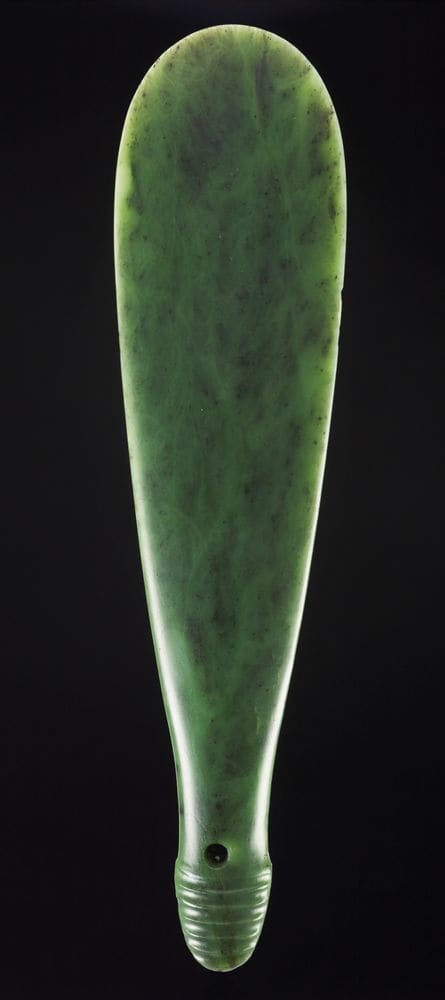
Mere pounamu (greenstone striking weapon) "Amokura"
Unknown
Māori, 1500–1820 · pounamu (nephrite jade)
Māori

Amokura is a well-shaped and elegantly proportioned mere pounamu (greenstone hand club) of the dark kawakawa variety of pounamu, flecked with black and grooved six times on the reke (butt). The museum's Taonga Māori record ties it to the history of the Ngāti Raukawa and Ngāti Toa tribes and several of their leading chiefs: it was presented to the great chief Te Rauparaha on his marriage to the widow of Hape-ki-tua-a-rangi, and passed down through the generations.

“Amokura is a well-shaped and expertly fashioned mere pounamu (greenstone hand club) with a long and elegant form.” In the museum’s words — collections.tepapa.govt.nz ↗ · quotation verified against the live page

Meanwhile — The Milkmaid Europe · c. 1660

Hei tiki (pendant in human form)
N° 802·VII · The Age of Reason
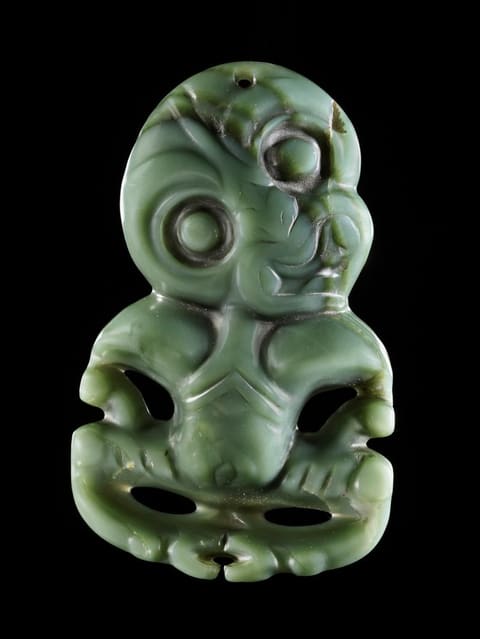
Hei tiki (pendant in human form)
Unknown
Māori, 1700–1847 · inanga (stone) and pounamu (nephrite)
Māori

An exceptionally well-carved female hei tiki (human-form neck pendant) of milky-green pounamu (New Zealand nephrite), her head inclined to her right shoulder and her three-fingered hands resting on her thighs. Held in Te Papa's Taonga Māori collection (from the Oldman Collection, gifted by the New Zealand Government in 1992), the museum describes hei tiki as iconic emblems of both the Māori people and New Zealand; the pendant's precise meaning is obscure, with theories linking it to the ancestress Hine-te-iwaiwa, to Tiki the first human, or to the unborn embryo.

“This is an exceptionally well-carved female hei tiki, milky green in colour.” In the museum’s words — collections.tepapa.govt.nz ↗ · quotation verified against the live page

Meanwhile — View of Warsaw from the Terrace of the Royal Castle Europe · 1773

Waka 'Teremoe' (canoe hull)
N° 855·VIII · The Restless Century
Waka 'Teremoe' (canoe hull)
Unknown
Māori, 1800s · tōtara (wood)
Māori

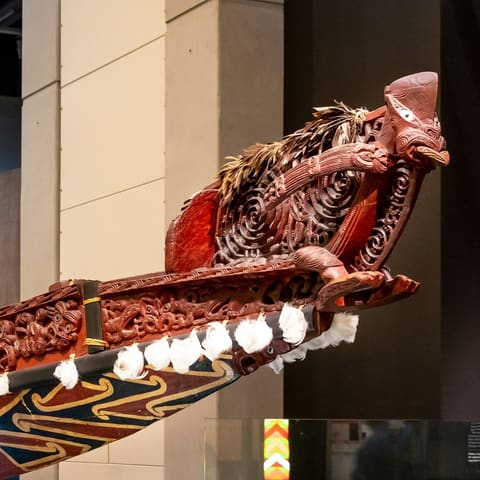
Teremoe is a waka taua (war canoe) hull carved from tōtara that once belonged to Te Reimana Te Kaporere and Matene Rangitauira, Pai Marire (Hauhau) leaders of the upper Whanganui River. Te Papa's record recounts that in 1864–65 Teremoe took part in battles on the Whanganui River — carrying the dead and wounded from Moutoa Island — and that it was later bequeathed to the Dominion Museum in 1930. (No image is published on the collections object page; the photograph shown here — the carved prow of Teremoe on display in Mana Whenua — is from Te Papa's own Mana Whenua audio-guide, guide.tepapa.govt.nz/exhibitions/teremoe.)

“This waka taua (war canoe) called Teremoe once belonged to Te Reimana Te Kaporere and Matene Rangitauira, leaders from the upper Whanganui River.” In the museum’s words — collections.tepapa.govt.nz ↗ · quotation verified against the live page

Meanwhile — Flissa Sabre Africa · 13th century AH / 19th century CE

Te Hau ki Tūranga
N° 884·VIII · The Restless Century
Te Hau ki Tūranga
Rongowhakaata, under master carver Raharuhi Rukupo
Built in the early 1840s
Rongowhakaata (Māori)

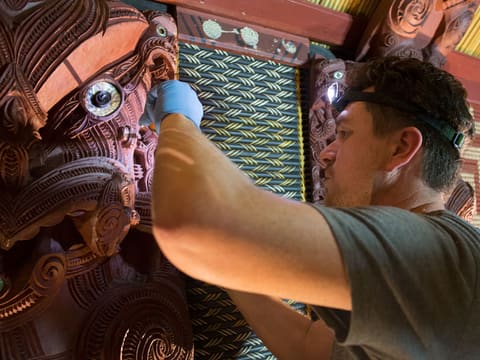
Te Hau ki Tūranga, the world's oldest surviving whare whakairo (carved meeting house) — an architectural taonga displayed within the museum. The museum records that it was built in the early 1840s by Rongowhakaata under the jurisdiction of master carver Raharuhi Rukupo, wrongfully confiscated by the Crown in 1867, then held by the Colonial Museum, displayed at the Dominion Museum, and moved to Te Papa, where it has been displayed since 1998. In 2012, as part of Rongowhakaata's Treaty of Waitangi settlement, the New Zealand government apologised to the iwi for the forcible removal of Te Hau ki Tūranga, stating that the whare whakairo belongs to them; the house remains at Te Papa in the museum's custody.

“Built in the early 1840s by Rongowhakaata under the jurisdiction of master carver Raharuhi Rukupo, and wrongfully confiscated by the Crown in 1867, Te Hau ki Tūranga was then held by the Colonial Museum, displayed at the Dominion Museum and moved to Te Papa where it has been displayed since 1998.” In the museum’s words — tepapa.govt.nz ↗ · quotation verified against the live page

Meanwhile — View from Stalheim Europe · 1842

Te Tākinga pātaka (carved storehouse)
N° 887·VIII · The Restless Century
Te Tākinga pātaka (carved storehouse)
Te Hārete Te Whanarere
Māori, carved 1845–1855 (restored 1934) · tōtara (wood), pāua (abalone shell), feather, bulrush
Māori

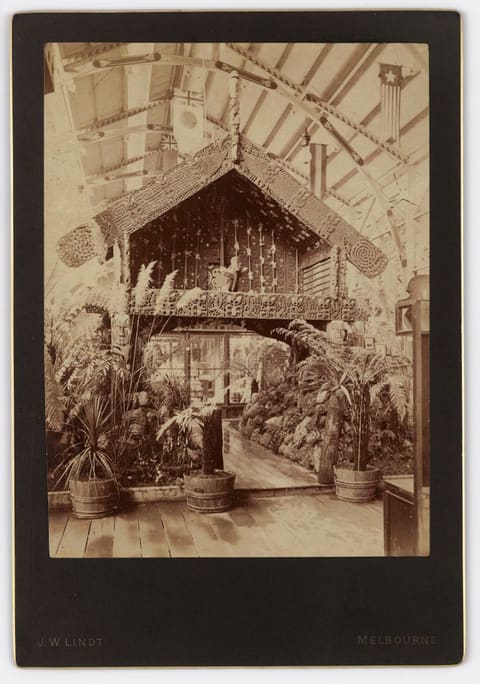
Te Tākinga is a large carved pātaka (elevated storehouse) of Ngāti Pikiao, carved by Te Hārete Te Whanarere with metal tools about 1850 and named after the ancestor Te Tākinga represented by its apex tekoteko. Te Papa's record describes it as a celebrated taonga-a-iwi that, the page states, currently stands in the museum's Mana Whenua exhibition; it was acquired in 1886 by Sir Walter Buller's agent and later gifted to the museum by the Buller family. (No image of this taonga is published on the object's page.)

“This celebrated taonga of Ngāti Pikiao currently stands in the Mana Whenua exhibition at Te Papa.” In the museum’s words — collections.tepapa.govt.nz ↗ · quotation verified against the live page

Meanwhile — Oryx Figurine Islamic world · 1800–1900 CE (19th century)

Kahu huruhuru (feather cloak) of Mākereti Papakura
N° 895·VIII · The Restless Century
Kahu huruhuru (feather cloak) of Mākereti Papakura
Unknown
Māori, 1850–1880 · muka (flax fibre); kererū, kākā, kākāriki and tūī feathers
Māori

A striking kahu huruhuru (feather cloak) worked in muka and covered with kererū, kākā, kākāriki and tūī feathers. Te Papa's record states the cloak once belonged to Mākereti Papakura, known as Guide Maggie, the celebrated guide of the Whakarewarewa geothermal village in Rotorua who later studied anthropology at Oxford; the cloak belonged to her mother, Pia Ngarotū, and was identified from photographs in Mākereti's book The Old-Time Maori.

“This striking cloak once belonged to Mākereti Papakura. Mākereti was known as Guide Maggie and was a tourist guide of the Whakarewarewa geothermal village in Rotorua, around the turn of the twentieth century.” In the museum’s words — collections.tepapa.govt.nz ↗ · quotation verified against the live page

Meanwhile — Jo, the Beautiful Irish Girl Europe · signed 1866

Kahu kiwi (kiwi feather cloak)
N° 897·VIII · The Restless Century
Kahu kiwi (kiwi feather cloak)
Unknown
Māori, 1850–1900 · muka (flax fibre), brown kiwi feathers, wool
Māori

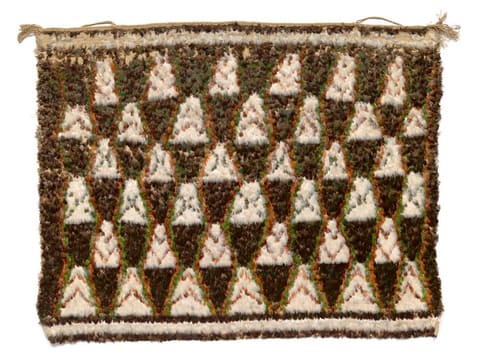
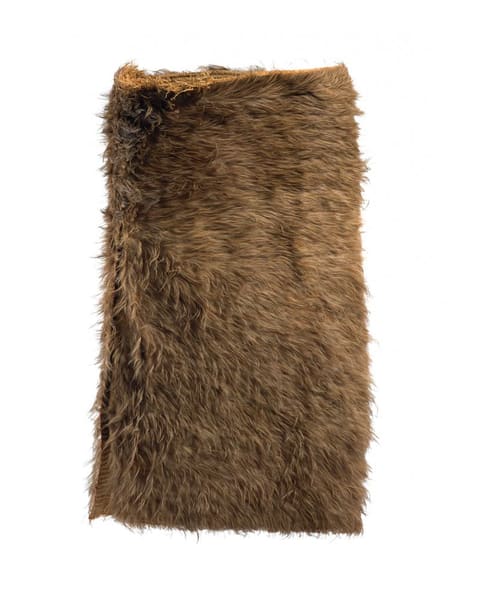
A kahu kiwi (kiwi-feather cloak) whose foundation of muka (flax fibre) is completely covered in the feathers of the brown kiwi. According to Te Papa's record, this cloak was one of two presented to the museum in 2006 by the descendants of Richard John Seddon, New Zealand's Prime Minister from 1893 until his death in 1906; the kahu kiwi is said to have been laid at or near Seddon's funeral bier as he lay in state in Parliament Buildings.

“This kahu kiwi, or kiwi feathered cloak, was one of two cloaks presented to Te Papa by the descendants of Richard John Seddon and his wife, Louisa Jane” In the museum’s words — collections.tepapa.govt.nz ↗ · quotation verified against the live page

Meanwhile — Bridal trinket crown Europe · Second half of the 19th century

Maori girl
N° 917·VIII · The Restless Century
Maori girl
Gottfried Lindauer (1839–1926)
circa 1874 · oil on canvas

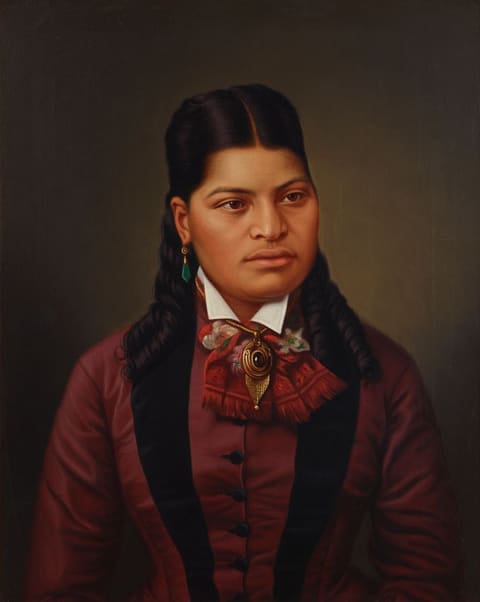
An oil portrait of an unidentified young Māori woman by Gottfried Lindauer, the Bohemian-born painter celebrated for his portraits of Māori. Te Papa's text notes that commissioned portraits gave Māori control over how they were represented: unlike many of Lindauer's portraits, which feature customary adornment, this elegant sitter wears beautifully tailored European clothing as her own choice of personal expression.

“Commissioned portraits gave Māori control over how they were represented.” In the museum’s words — collections.tepapa.govt.nz ↗ · quotation verified against the live page

Meanwhile — Insurgent Patrol (Insurgent Picket) Europe · 1873

Darby and Joan [Ina Te Papatahi, Ngāpuhi]
N° 990·IX · Into Our Time
Darby and Joan [Ina Te Papatahi, Ngāpuhi]
Charles F. Goldie (1870–1947)
1903 · oil on canvas

A large 1903 oil portrait of Īna Te Papatahi, a kuia of Ngāpuhi and one of C. F. Goldie's favourite early models, seated in a cracked and fraying architectural setting. Te Papa's essay explains that, back in his native Auckland after training in Paris, Goldie applied his skills to hyper-realistic portraits of elderly Māori in poses of nostalgic reverie; the museum records that the National Art Gallery's 1990 purchase of this and its companion painting for $900,000 sparked considerable controversy.

“Back in his native Auckland, Goldie applied his skills to the production of hyper-realistic portraits of elderly Māori in poses of nostalgic reverie.” In the museum’s words — collections.tepapa.govt.nz ↗ · quotation verified against the live page

Meanwhile — Polish Hamlet – Portrait of Aleksander Wielopolski Europe · 1903

The hilltop
N° 1001·IX · Into Our Time
The hilltop
Frances Hodgkins (1869–1947)
circa 1908 · watercolour, gouache, graphite and crayon on paper

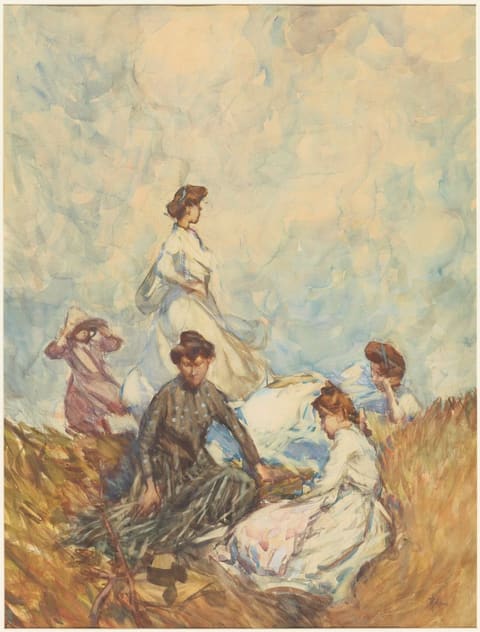
A luminous watercolour by the New Zealand modernist Frances Hodgkins, showing figures on a windy summer hilltop. Te Papa's essay records that when The hilltop was exhibited in Wellington in 1913 it was hailed as a model of impressionist style; Hodgkins painted it about 1908 while settled in Paris, where she absorbed the work of the French impressionists and refined the fluid watercolour technique that made her reputation. The museum purchased it in 1913 by public subscription.

“When The hilltop was exhibited in Wellington in 1913, it was hailed as a model of impressionist style.” In the museum’s words — collections.tepapa.govt.nz ↗ · quotation verified against the live page

Meanwhile — The Dyke Europe · 1909

Phar Lap's Skeleton (Horse, Equus caballus)
N° 1035·IX · Into Our Time
Phar Lap's Skeleton (Horse, Equus caballus)
Unknown
Phar Lap 1926–1932 · mounted horse skeleton

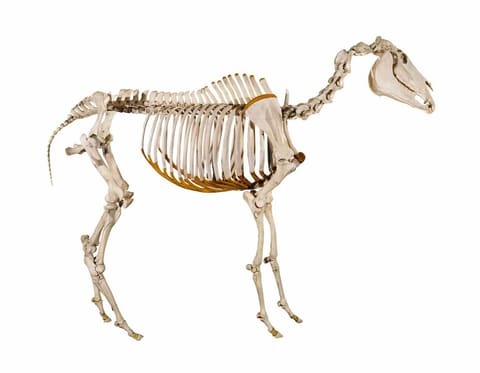
The mounted skeleton of Phar Lap, the champion racehorse who won 37 of his 51 starts before dying mysteriously in the United States in 1932. Te Papa's record recounts that Phar Lap started life on a stud farm near Timaru in 1926 and was sent to the Trentham yearling sales before being trained in Australia. Te Papa holds the skeleton; his heart is in Canberra and his mounted hide in Melbourne.

“Phar Lap started life on a stud farm near Timaru in 1926.” In the museum’s words — collections.tepapa.govt.nz ↗ · quotation verified against the live page

Meanwhile — "Celestial Globe" Europe · manufactured 1929-1930

Ngatu (tapa cloth)
N° 1052·IX · Into Our Time
Ngatu (tapa cloth)
Unknown
Tongan, circa 1940s · bark cloth (tapa) and dye
Tongan

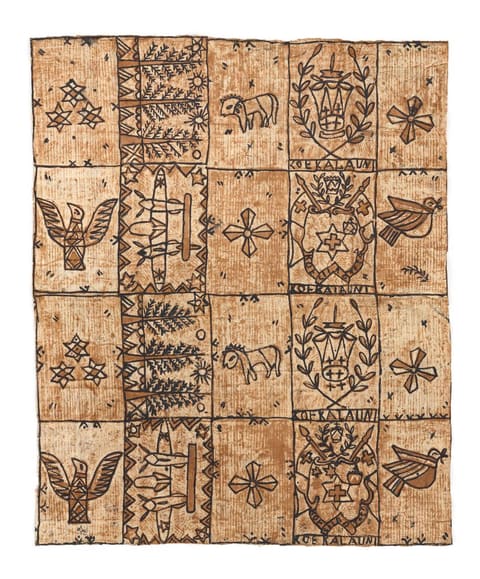
Ngatu is the Tongan name for tapa, decorated bark cloth made from the inner bark of the hiapo (paper mulberry) and beaten, joined and decorated by groups of women. Te Papa's Pacific Cultures record notes that this distinctive ngatu, made around the 1940s, carries the image of a Lockheed P-38 Lightning fighter plane of the kind used in the Pacific during the Second World War — one of a number of Tongan ngatu that record wartime events.

“Ngatu is the Tongan name given to tapa cloth or decorated bark cloth. It is made from the inner bark of Hiapo (paper mulberry tree).” In the museum’s words — collections.tepapa.govt.nz ↗ · quotation verified against the live page

Meanwhile — Street Scene Africa · 1945

Buzzy Bee (toy)
N° 1056·IX · Into Our Time
Buzzy Bee (toy)
H.E. Ramsey Limited (designer Maurice Schlesinger)
circa 1943 · wood, cardboard, metal, paint and string

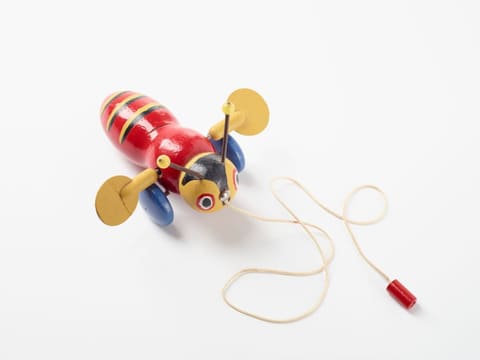
A wooden Buzzy Bee, the pull-along toy that has become an icon of New Zealand identity. Te Papa's record notes that these well-known and loved New Zealand-made toys were first made about 1940 by Maurice Schlesinger and later produced by H.E. Ramsey Limited; this example was given to Robyn Clearwater as a baby in 1943. The museum describes the Buzzy Bee as an icon of kiwi identity, appearing on postage stamps, in books, songs and on television.

“Wooden Buzzy Bee toys like this are a well known and loved New Zealand made pull along toy.” In the museum’s words — collections.tepapa.govt.nz ↗ · quotation verified against the live page

Meanwhile — Exiles Europe · 1943

Northland panels
N° 1072·IX · Into Our Time
Northland panels
Colin McCahon (1919–1987)
1958 · house paint (oil-modified alkyd) on canvas, eight panels

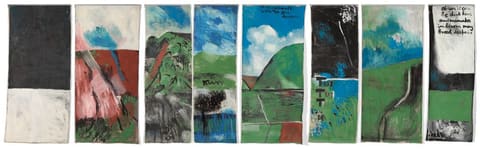
An eight-panel landscape painted in house paint by Colin McCahon in 1958, shortly after his only trip to the United States. Te Papa's essay quotes McCahon — ‘I fled north in memory and painted the Northland panels’ — painted, he wrote, on the sun deck at Titirangi in a single Sunday afternoon and corrected for weeks afterwards; the museum notes that, like the landscape on which they are based, the panels combine rawness with moments of great beauty, with texts such as ‘Rain’ and ‘Tui’ worked into the scenes.

“Like the landscape on which they are based, the Northland panels combine rawness with moments of great beauty.” In the museum’s words — collections.tepapa.govt.nz ↗ · quotation verified against the live page

Meanwhile — Chair, "The Drop" Europe · designed 1958

Britten V1000 motorcycle
N° 1093·IX · Into Our Time
Britten V1000 motorcycle
Britten Motorcycle Company Ltd. (John Britten)
1992 · carbon fibre, Kevlar, steel, aluminium and titanium

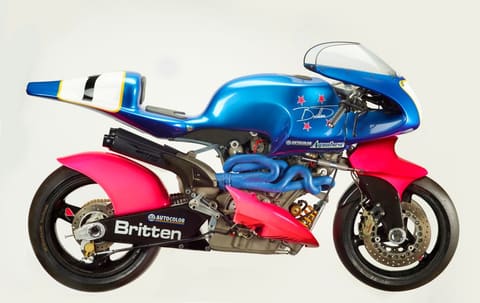
A Britten V1000, the radical racing motorcycle designed and built in Christchurch by New Zealander John Britten (1950–1995). Te Papa's record calls the 1992 machine a contemporary classic of motorbike design and states that the museum's example is the second of only ten made. Built from carbon fibre, Kevlar and titanium, it has no conventional frame — the engine is a fully stressed member.

“Built in 1992, the Britten V1000 motorbike is regarded as a contemporary classic of motorbike design.” In the museum’s words — collections.tepapa.govt.nz ↗ · quotation verified against the live page

Meanwhile — Giant squid model (Architeuthis) Africa · Modelled from a 1991 specimen

'ie toga dress with tuiga
N° 1097·IX · Into Our Time
'ie toga dress with tuiga
Paula Chan Cheuk
1997 · pandanus ('ie toga fine mat), feathers, shell, sennit ('afa)
Samoan (Aotearoa New Zealand)

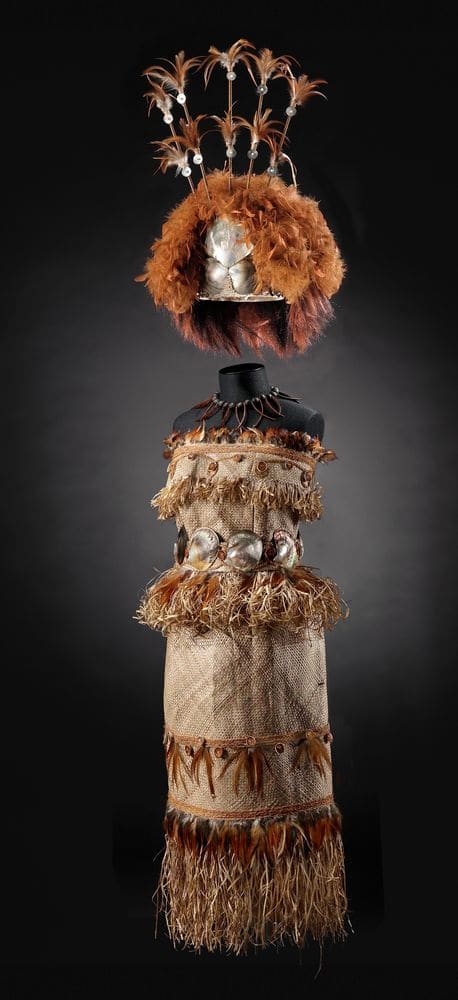
A ceremonial dress and tuiga (headdress) inspired by the dance costumes of Samoan taupou (daughters of chiefs), made in 1997 by the Auckland-based Samoan designer Paula Chan Cheuk. Held in Te Papa's Pacific Cultures collection, the main garment is a Samoan 'ie toga (fine mat) of pandanus fibre decorated with feathers, shells and 'afa (coconut-fibre cord); it was created for the Miss Samoa New Zealand competition of August 1997 and worn by the winning contestant, Susan Pa'u.

“This dress is inspired by the dance costumes of Samoan taupou (daughters of chiefs).” In the museum’s words — collections.tepapa.govt.nz ↗ · quotation verified against the live page

Meanwhile — Maternity grant – protection for mothers and children Europe · Maternity package, 1993–1994

Colossal squid (Mesonychoteuthis hamiltoni)
N° 1135·Undated
Colossal squid (Mesonychoteuthis hamiltoni)
Unknown
Specimens acquired by Te Papa (from 2007) · preserved squid specimen

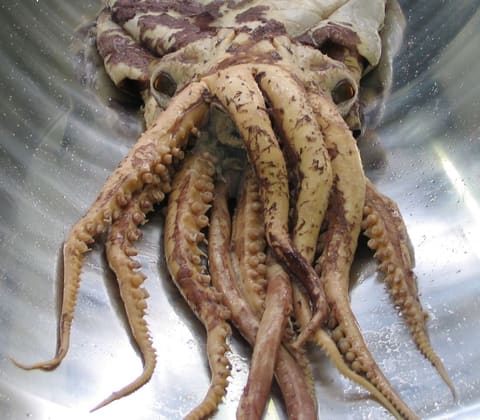
The colossal squid Mesonychoteuthis hamiltoni is reputed to reach a greater size than the giant squid and is exceedingly rare in collections, living at depths beyond 1000 m in near-freezing Antarctic waters. Te Papa's record states that few people were aware of the creature's existence until two large specimens were acquired by the museum; its beaks are the largest known of any squid, and its tentacle clubs carry two rows of swivelling hooks.

“Until two large specimens were acquired by Te Papa, few people were aware of the existence of this huge creature.” In the museum’s words — collections.tepapa.govt.nz ↗ · quotation verified against the live page
Siapo (tapa cloth)
N° 1209·Undated
Siapo (tapa cloth)
Unknown
Samoan, date unknown · bark cloth (tapa) and dye
Samoan

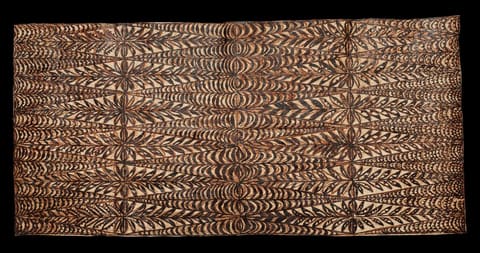
An example of siapo, the Samoan form of tapa (bark cloth), made from the bark of the u'a (paper mulberry), pounded thin, pasted together and decorated either freehand (siapo mamanu) or by rubbing over a carved relief pattern. Held in Te Papa's Pacific Cultures collection, it was one of four tapa cloths donated by Michael Powles, whose father was New Zealand's High Commissioner to Western Samoa around the time of Samoan independence.

“This is an example of siapo (tapa cloth) from Samoa. The making of barkcloth or tapa was once widespread throughout the islands of the Pacific.” In the museum’s words — collections.tepapa.govt.nz ↗ · quotation verified against the live page